Think Panama City Beach is just sprawling white sand and high-rise condos? Think again. Tucked between the turquoise waves and the bustling strip of Front Beach Road is a wilder, quieter side of PCB waiting to be explored. This isn’t about the biggest beach bars or the splashiest water parks; this is for those who want to hear the call of an osprey over the roar of a jet ski, who prefer a pine-needle path to a crowded boardwalk.
If you’re looking to trade flip-flops for hiking shoes (at least for a few hours), this Panama City Beach travel guide is for you. We’re diving deep into the area’s incredible state parks, protected forests, and pristine waterways that make this slice of the Florida Panhandle a true ecological treasure.
Table of Contents
- St. Andrews State Park: More Than Just a Pretty Beach
- Conservation Park: Your Gateway to Old Florida
- The Unspoiled Beauty of Shell Island
- Paddling Adventures: Explore the Coastal Dune Lakes
- Ethical Dolphin Encounters and Eco-Tours
- Where to Stay for Your Nature-Focused Getaway
- Panama City Beach Nature Lover’s FAQ
St. Andrews State Park: More Than Just a Pretty Beach
St. Andrews State Park is consistently ranked as one of the best beaches in the country, but the real magic lies beyond its sugary shores. This 1,200-acre park, located on the far east end of PCB, is a stunning example of Florida’s barrier island ecosystem. It’s bordered by the Gulf of Mexico on one side and the Grand Lagoon on the other, creating a diverse habitat for all sorts of wildlife.
Address: 4607 State Park Ln, Panama City, FL 32408
Hiking Gator Lake and Heron Pond Trails
Forget the beach for a moment and head inland. The park has two fantastic, easy-to-moderate hiking trails. The Gator Lake Trail offers a scenic overlook where you can often spot alligators sunning themselves on the banks (from a safe distance, of course). The Heron Pond Trail winds through a coastal pine forest and leads to a peaceful pond that’s a magnet for wading birds like herons, egrets, and ibis.
- Hyper-Local Tip: The best time to walk the Heron Pond Trail is right after a morning rain shower. The woods feel fresh, and the birds are incredibly active. Keep an eye out for white-tailed deer, who are often seen grazing near the campground loops in the early morning and late afternoon.
Snorkeling the Jetties
The rock jetties that separate the park’s inlet from the Gulf are one of the best and most accessible snorkeling spots in the region. The rocks create an artificial reef teeming with life. On a calm day with clear water, you can see everything from colorful sheepshead and spadefish to blue crabs and even the occasional octopus.
- Hyper-Local Tip: For the best visibility, go snorkeling an hour or two before high tide. The incoming clear Gulf water pushes out the darker water from the bay, making it feel like you’re in an aquarium.
Fishing from the Pier
The park features two fishing piers: one on the Gulf side and one on the Grand Lagoon. Whether you’re a seasoned angler or a first-timer, it’s a great place to cast a line. You can catch Spanish mackerel, redfish, flounder, and more, depending on the season. A bait shop is conveniently located near the pier for supplies.
Conservation Park: Your Gateway to Old Florida
If St. Andrews is a coastal paradise, Conservation Park is a deep dive into the Florida backwoods. Located on the west end of PCB, this 2,900-acre wilderness preserve is a world away from the beach crowds. With over 24 miles of trails, it’s a haven for hikers, trail runners, and cyclists.
Address: 100 Conservation Dr, Panama City Beach, FL 32413
Choosing Your Trail
The trail system here, part of the larger Gayle’s Trails network, is incredibly well-maintained and marked. You can choose from a dozen different routes, ranging from a quick 0.6-mile stroll around the Cypress Pond Trail to a challenging 11-mile loop. The terrain is mostly flat and consists of packed sand and dirt paths, with raised boardwalks over the wetlands.
- Hyper-Local Tip: My personal favorite route for a solid one-hour hike is to combine the Green Trail (Cypress Pond Loop) with a portion of the Yellow Trail. It gives you a perfect mix of pine flatwoods and stunning cypress swamp views from the boardwalks.
Birdwatching Hotspots
Conservation Park is an official stop on the Great Florida Birding Trail. During the spring and fall migrations, it’s a fantastic place to spot warblers, tanagers, and other migratory songbirds. Year-round residents include brown-headed nuthatches, pine warblers, and various woodpecker species. The boardwalks over the wetlands are prime spots for spotting wading birds.
Biking the Backwoods
The wide, flat trails are perfect for off-road biking. It’s a great way to cover more ground and explore the deeper parts of the park. Bring your own bike or rent one from a local shop in PCB before you head out. Remember to yield to hikers and be prepared for some sandy patches.
- Safety Tip: Pack more water than you think you’ll need, especially from May to October. And definitely bring bug spray. The trails are beautifully wild, and so are the mosquitoes, particularly in the shadier, wetter areas.
The Unspoiled Beauty of Shell Island
While we have a whole guide on how to visit, no nature lover’s list of things to do in Panama City Beach would be complete without Shell Island. This 7-mile-long undeveloped barrier island is sandwiched between the Gulf of Mexico and St. Andrews Bay. It’s the definition of pristine.
A Truly Primitive Beach Experience
The most important thing to know about Shell Island is that it’s completely natural. There are no restrooms, no concession stands, no picnic pavilions, and no trash cans. You must pack in everything you need for the day and, more importantly, pack it all back out with you. This “leave no trace” policy is what keeps the island so beautiful.
Beachcombing for Treasures
The island lives up to its name. The shelling here is some of the best in the area, especially after a storm. You can find everything from classic conch and whelk shells to delicate sand dollars and olive shells. Take your time and walk the shoreline, keeping an eye on the wrack line where the tide deposits its treasures.
- Hyper-Local Tip: The Gulf side has the bigger waves and is better for swimming, but the St. Andrews Bay side is much calmer and is my go-to spot for finding sand dollars and watching schools of hermit crabs scuttle in the shallows.
Paddling Adventures: Explore the Coastal Dune Lakes
One of the most unique and often overlooked ecosystems in the area is the coastal dune lakes. These are rare geological features found in only a handful of places worldwide, including right here in the Florida Panhandle. These freshwater lakes sit just feet from the salt water of the Gulf, periodically exchanging water, which creates a brackish, biologically diverse environment.
Paddling Lake Powell
The largest of these lakes is Lake Powell, located on the far west end of PCB, bordering Camp Helen State Park. Renting a kayak, canoe, or stand-up paddleboard (SUP) is the absolute best way to explore it. As you paddle, you’ll glide through calm, tannin-stained water, past lily pads and sawgrass, with the sound of the Gulf waves just over the dunes. It’s a surreal and peaceful experience.
- Hyper-Local Tip: For a super calm morning paddle, launch at the public access point at Lake Powell Park. You’ll have the place almost to yourself before 10 AM, and the glassy water makes for perfect reflections of the sky.
Guided Eco-Tours vs. DIY Rentals
If you’re new to paddling or want to learn more about the ecosystem, consider a guided eco-tour. Local outfitters provide all the gear and a knowledgeable guide who can point out wildlife and explain the unique geology of the dune lakes. If you’re comfortable on your own, several places offer hourly or daily rentals.
Ethical Dolphin Encounters and Eco-Tours
Seeing bottlenose dolphins in their natural habitat is a highlight of any trip to PCB. But how you see them matters.
Why an Eco-Tour Matters
Choose a tour operator committed to responsible wildlife viewing. This means keeping a respectful distance, never feeding the dolphins, and following the guidelines set by NOAA to protect marine mammals. These “dolphin-friendly” tours focus on observation and education, not interaction, which ensures the animals remain wild and safe. Look for operators who participate in the “Dolphin SMART” program.
What to Expect on a Tour
Most tours last about two hours and cruise the waters of St. Andrews Bay and the Gulf just off the coast of Shell Island. The captains are experts at spotting the dolphin pods. In addition to dolphins, you’ll likely see sea turtles, rays, and a variety of seabirds.
- Hyper-Local Tip: The best time for a dolphin tour is often in the morning when the water is calmer and the dolphins tend to be more active. Sunset tours are also fantastic, offering the double benefit of wildlife viewing and a spectacular Gulf sunset.

Where to Stay for Your Nature-Focused Getaway
After a long day of hiking the trails at Conservation Park or kayaking on Lake Powell, there’s nothing better than coming back to a comfortable space to relax and recharge. Having a private balcony to watch the sunset over the Gulf is the perfect way to cap off a day of exploring Florida’s wild side. Choosing the right Panama City Beach vacation rental is key to balancing adventure with relaxation.
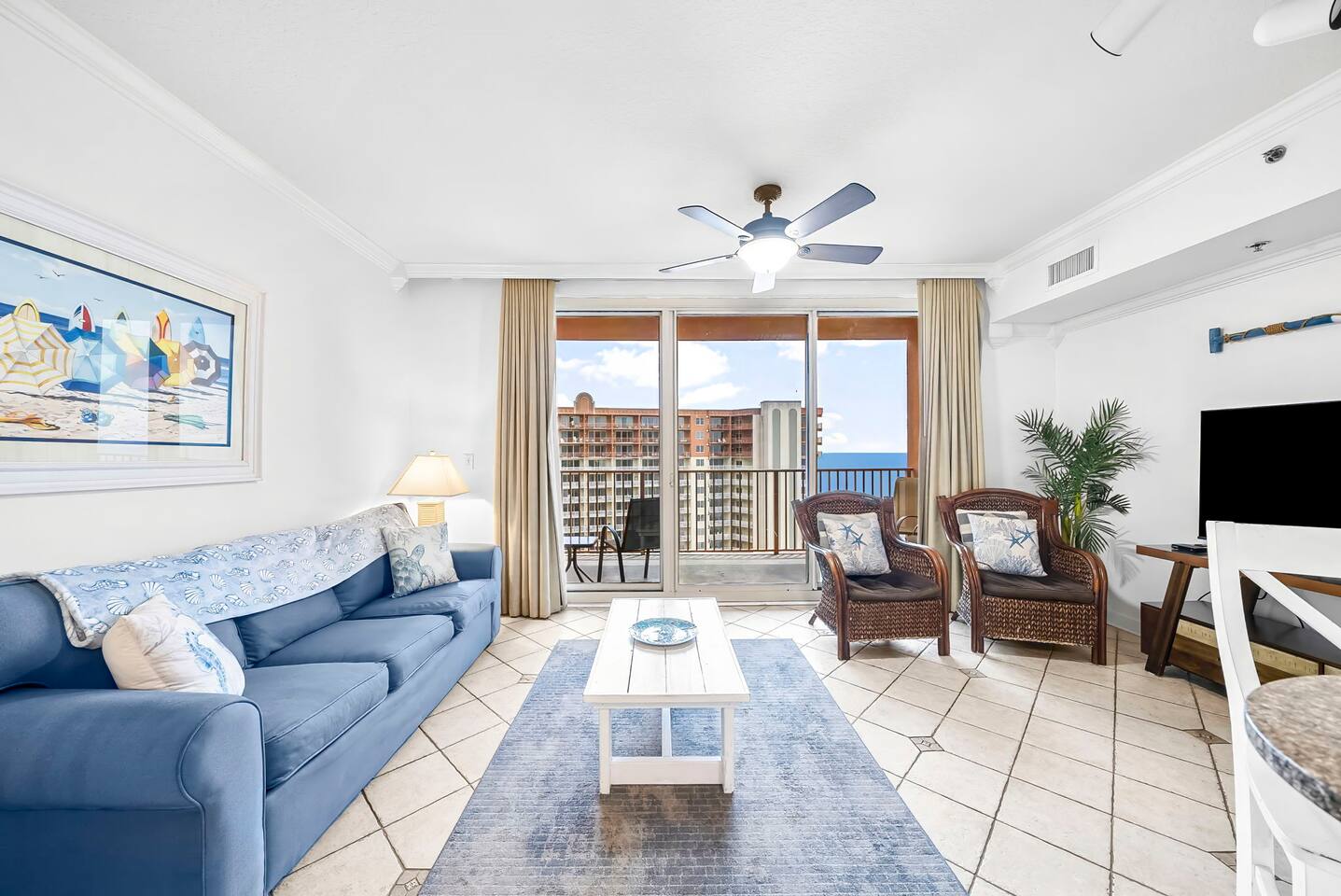
For couples or small families, a spot like On the Beach | Ocean Views | Sleeps 6 offers that perfect blend of direct beach access and a cozy retreat. You get the best of both worlds: nature by day and the soothing sound of the waves by night. Its central location makes it an ideal home base, putting you within a 15-20 minute drive of both St. Andrews State Park to the east and Conservation Park to the west.
Panama City Beach Nature Lover’s FAQ
What is the best time of year for wildlife viewing in Panama City Beach? While you can see wildlife year-round, the spring (March-May) and fall (September-November) are prime times. These seasons coincide with bird migrations, bringing an incredible diversity of species through the area. The weather is also milder and more pleasant for hiking and paddling.
Are there alligators in Panama City Beach parks? Yes, alligators are native to Florida and can be found in freshwater and brackish bodies of water. You are most likely to see them in places like Gator Lake in St. Andrews State Park and the wetlands of Conservation Park. Always observe from a safe distance, never feed them, and keep pets on a leash and away from the water’s edge.
Can you have campfires on the beach in Panama City Beach? No, open fires are not permitted on the sandy beaches within Bay County. This regulation is in place to protect the delicate dune ecosystem and the nests of sea turtles, which are a protected species.
Besides the big parks, are there any smaller nature spots to visit? Absolutely! Check out Camp Helen State Park, located on the western edge of PCB. It borders both the Gulf and Lake Powell, offering another fantastic coastal dune lake experience with great hiking, fishing, and birdwatching opportunities.
Ready to explore the wilder side of Panama City Beach? From serene forest trails and rare coastal dune lakes to unforgettable wildlife encounters on the water, there’s so much more to discover beyond the sand.
When you’re ready to plan your nature-filled escape, find the perfect home base by booking your Panama City Beach vacation rental directly with Springline Stays. You’ll save on fees and get the best rate guaranteed.
 Panama City Beach — a must-visit near our Panama City Beach properties.
 Conservation Park — a must-visit near our Panama City Beach properties.