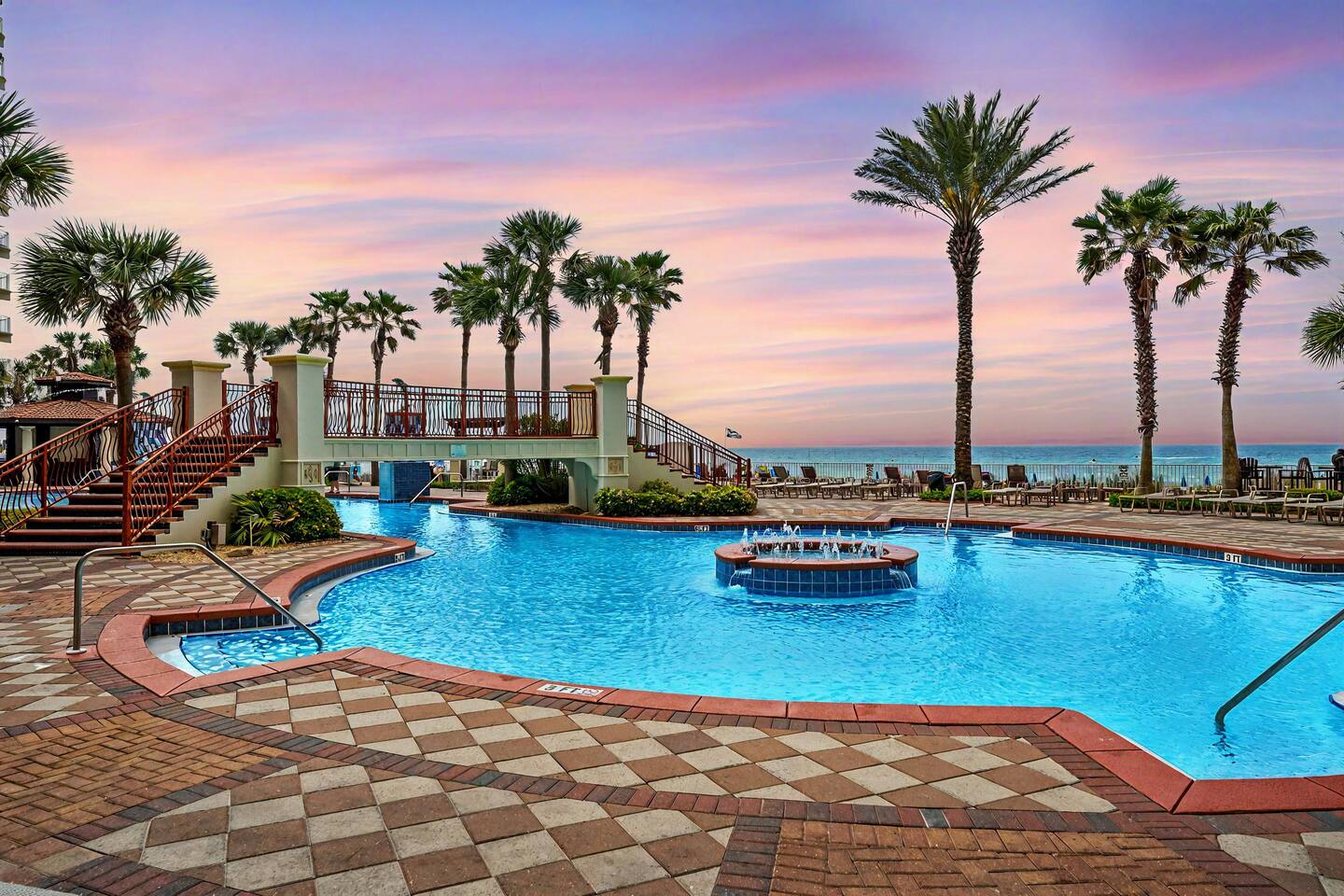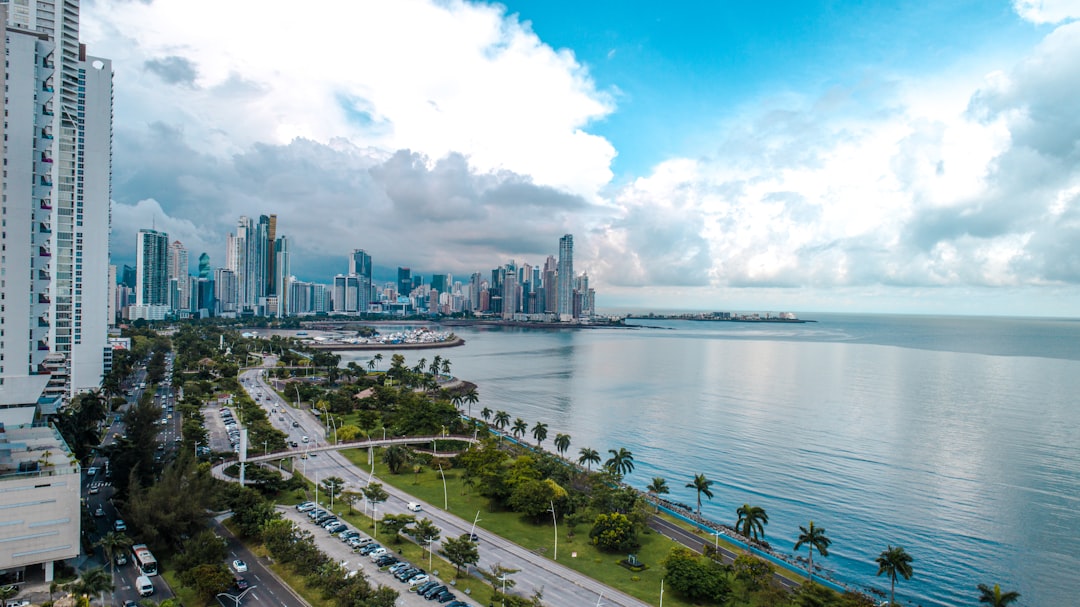
So you think Panama City Beach is all about sprawling white sand and turquoise water? You’re not wrong, but you’re also not seeing the whole picture. Just beyond the buzzing energy of Front Beach Road lies a completely different world—a wilder, quieter side of PCB that’s waiting for anyone willing to trade their flip-flops for a pair of hiking shoes, even just for a day.
If your idea of a perfect vacation involves more than just a beach chair, you’ve come to the right place. We’re diving deep into the trails, waterways, and natural preserves that make this slice of the Florida Panhandle a true outdoor adventurer’s paradise. Forget the tourist traps; let’s talk about the real things to do in Panama City Beach.
Table of Contents
- St. Andrews State Park: Beyond the Famous Jetties
- Go Wild: Exploring the Panama City Beach Conservation Park
- Get on the Water: The Best Spots for Kayaking & Paddleboarding
- Your Adventure Home Base: Where to Stay in Panama City Beach
- Casting a Line: A Quick Guide to PCB Fishing
- Pro Tips for the PCB Outdoor Adventurer
- Frequently Asked Questions About PCB Adventures
St. Andrews State Park: Beyond the Famous Jetties
Everyone knows St. Andrews State Park for its pristine beaches and the rock jetties that are perfect for fishing and snorkeling. But most visitors never venture past the parking lot. Don’t make that mistake. This 1,200-acre park, once a military reservation, is packed with diverse ecosystems.
Address: 4607 State Park Ln, Panama City, FL 32408
Gator Lake and Heron Pond Trails
This is where you’ll see the park’s wild heart. The Gator Lake Trail is an easy half-mile scenic overlook, but the real magic is on the two-mile Heron Pond Trail. It winds you through a dense coastal pine forest before opening up to the shores of Grand Lagoon.
- Local Tip: Go early in the morning or just before dusk. The wildlife is most active then. I’ve seen everything from white-tailed deer peeking through the pines to alligators sunning themselves on the banks of Gator Lake (from a very safe distance, of course). Keep an eye out for ospreys and eagles overhead.
Snorkeling and Fishing at the Jetties
Okay, the jetties are popular for a reason. They create a calm, protected pool of water that acts like a natural aquarium. The water clarity here is often stunning, especially on an incoming tide. You can rent snorkel gear from the park’s camp store, but it’s better to bring your own if you have it.
- What you’ll see: Expect to see sheepshead, sergeant majors, spadefish, and maybe even a friendly octopus hiding in the rocks. It’s one of the best, most accessible snorkeling spots on the Gulf Coast.
- Fishing: Anglers line the jetties year-round, casting for redfish, flounder, and Spanish mackerel. The secret is to find a spot on the channel side during a moving tide for the best action.
Biking the Park
The park has a couple of miles of paved roads with very light traffic, making for a leisurely and scenic bike ride. You can pedal from the Gulf side to the Grand Lagoon side, stopping at different overlooks along the way. It’s the best way to cover the whole park in an afternoon. You can rent bikes near the camp store if you don’t bring your own.
Go Wild: Exploring the Panama City Beach Conservation Park
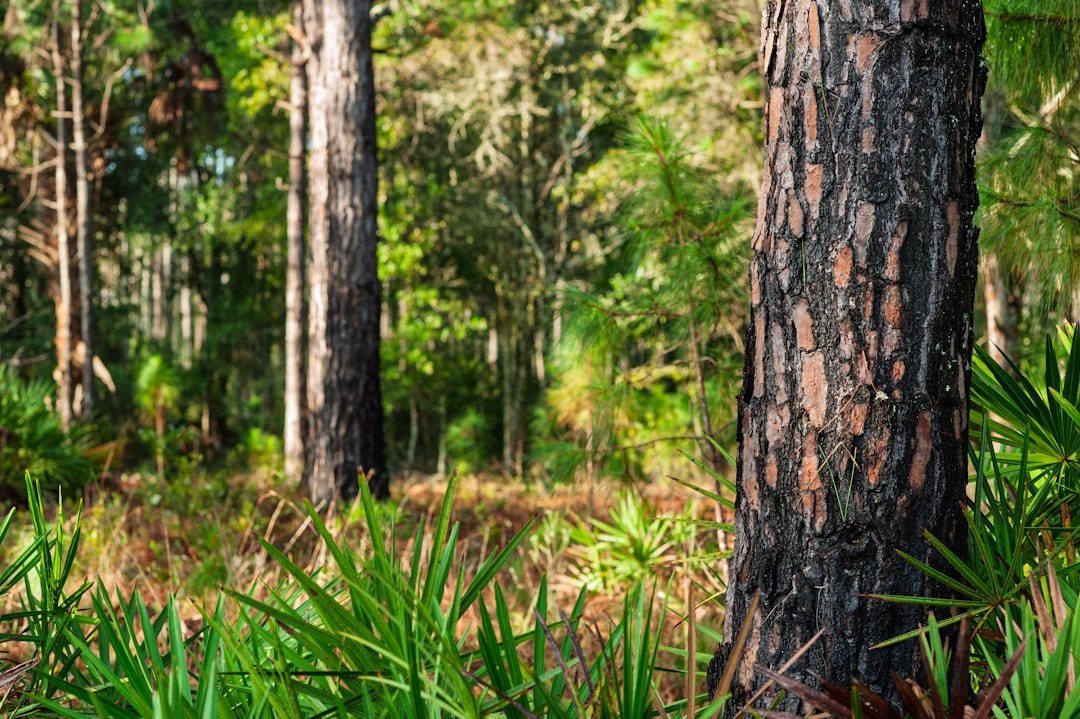
If St. Andrews is the introduction to PCB’s nature, the Conservation Park is the deep dive. With over 2,900 acres and 24 miles of trails, this place is a sanctuary for hikers, cyclists, and birdwatchers. The best part? It’s just a 15-minute drive from the main tourist drag, but it feels a world away.
Address: 100 Conservation Dr, Panama City Beach, FL 32413
Choosing Your Trail
The trail system is a series of interconnected loops ranging from 0.6 miles to 11 miles, all clearly marked. Whether you want a quick morning stroll or an all-day trek, there’s a path for you.
- For Beginners: Stick to the shorter loops near the trailhead, like the Cypress Pond Trail. It’s flat, easy, and gives you a great taste of the cypress domes and pine flatwoods.
- For a Challenge: Combine several of the outer loops for a 10+ mile hike. The trails are mostly packed sand and dirt, so it’s not technically difficult, but the Florida heat can make it a serious workout.
- For Cyclists: The wider, hard-packed trails are fantastic for off-road biking. It’s one of the few places in the area where you can really stretch your legs on a mountain bike.
What to Pack (It’s Not the Beach)
This is crucial. You’re in a genuine Florida wilderness area. 1. Water: Bring more than you think you’ll need, especially from May to September. There are no water fountains on the trails. 2. Bug Spray: An absolute non-negotiable. The mosquitos and biting flies can be intense, particularly in the wetter, shadier areas. 3. Sunscreen & Hat: Even under the tree canopy, the sun is relentless. 4. Proper Shoes: Sneakers are fine for the shorter loops, but for anything longer, wear hiking shoes. 5. Binoculars: This is a birdwatching hotspot. Don’t miss the chance to spot a painted bunting or a pileated woodpecker.
The park is a testament to thoughtful urban planning, serving as a protected habitat and a natural way to manage the area’s water. It’s a must-do for anyone looking for authentic Florida nature.
Get on the Water: The Best Spots for Kayaking & Paddleboarding
The Gulf can get choppy, but PCB is surrounded by calm, protected back bays and coastal dune lakes perfect for paddling.
Grand Lagoon
This massive body of water separates the mainland from the St. Andrews peninsula. It’s a fantastic place to explore by kayak or stand-up paddleboard (SUP). You can launch from several public boat ramps or from St. Andrews State Park. Paddle along the shorelines and you’re likely to see dolphins cruising for their next meal. My favorite route is launching from the state park and paddling east along the undeveloped shoreline.
Lake Powell at Camp Helen State Park
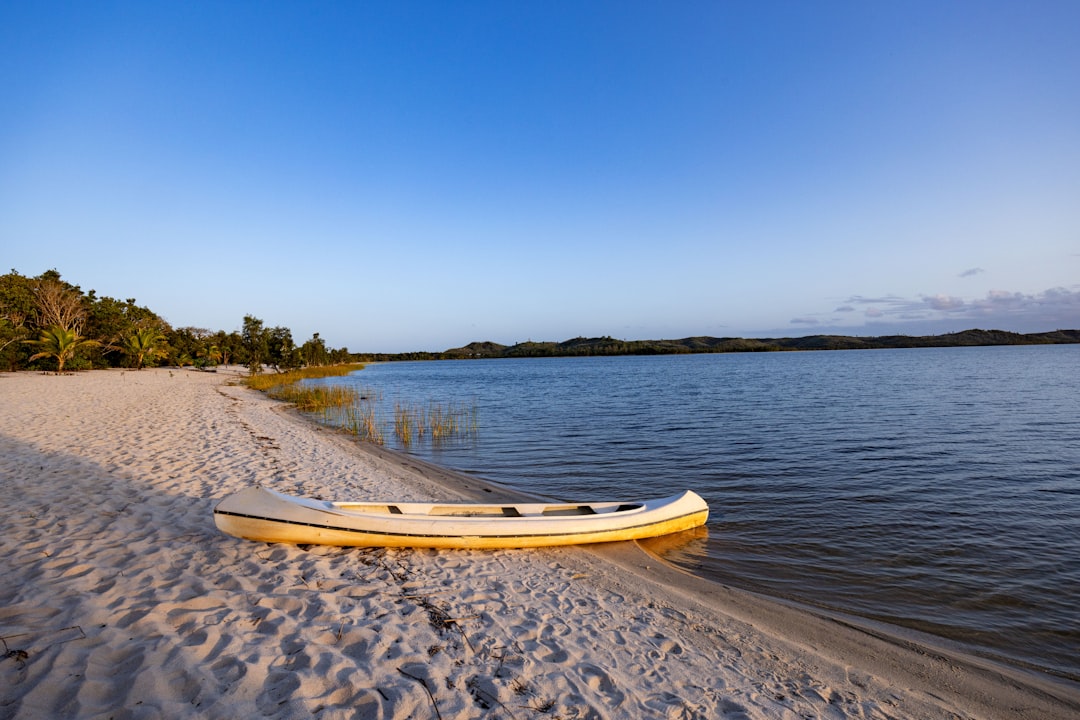
Just on the western edge of PCB, straddling the line with 30A, is Camp Helen State Park (23937 Panama City Beach Pkwy, Panama City Beach, FL 32413). This park is home to Lake Powell, the largest coastal dune lake in North America. These rare lakes are a fascinating mix of fresh and saltwater, creating a unique brackish ecosystem. Rent a kayak from the camp store and spend a few hours exploring the coves and shorelines. It’s incredibly peaceful, and the water is usually as smooth as glass.
Your Adventure Home Base: Where to Stay in Panama City Beach
After a full day of hiking through cypress swamps or paddling against the tide, the last thing you want is a cramped hotel room. You need a place where you can kick back, soak your tired muscles, and watch the sunset over the water you just explored. A comfortable home base is key to a great adventure trip.
That’s where having your own space makes all the difference. For couples or small families, a spot like On the Beach | Ocean Views | Sleeps 6 is the perfect command center. You get the best of both worlds: it’s centrally located so you’re only a short drive from the Conservation Park or St. Andrews, but you’re also right on the sand. Imagine finishing a long hike and coming back to this view, relaxing in your private hot tub on the balcony while the waves crash below. It’s the ultimate reward.
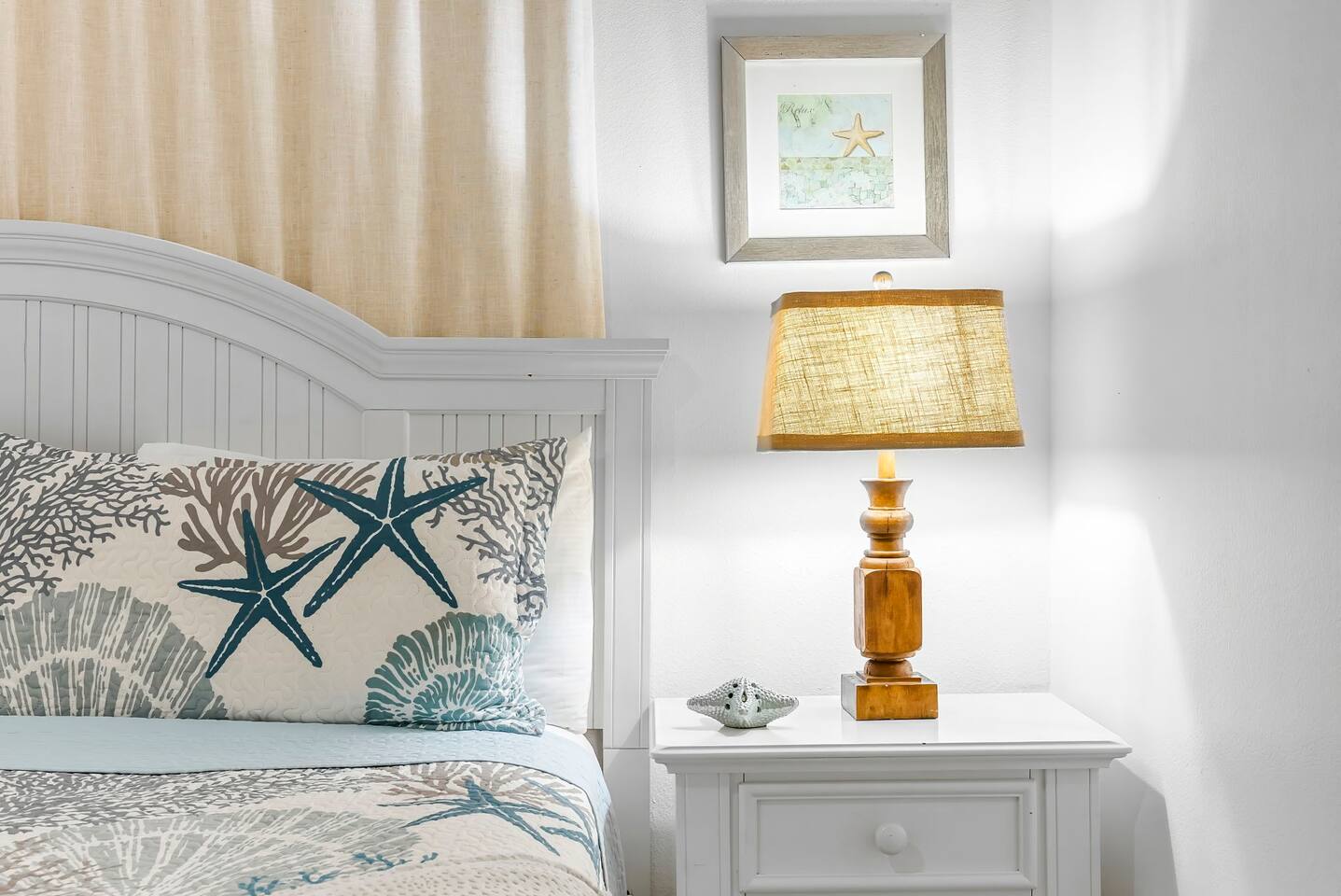
Having a full kitchen in your Panama City Beach vacation rental also means you can whip up a hearty breakfast before heading out and a celebratory dinner when you get back, saving you time and money for more important things, like gear rentals or a guided fishing trip.
Casting a Line: A Quick Guide to PCB Fishing
Fishing is an adventure in itself, and PCB offers options for every skill level and budget.
Pier Fishing
The Russell-Fields Pier (16201 Front Beach Rd, Panama City Beach, FL 32413) is one of the longest piers on the Gulf. For a small daily fee, you can walk out over 1,500 feet and fish for King Mackerel, Cobia, Pompano, and more. The fee includes your fishing license, and the on-site bait and tackle shop has everything you need, including local advice on what’s biting.
Inshore & Offshore Charters
If you’re serious about fishing, booking a charter is the way to go. * Inshore: You’ll stay in the protected bays and bayous, targeting redfish, speckled trout, and flounder. These trips are great for families and are usually half-day excursions. * Offshore: This is the big game. You’ll head deep into the Gulf of Mexico in search of red snapper, grouper, mahi-mahi, and tuna. These are full-day trips and an unforgettable experience. There are dozens of excellent charter captains at the local marinas—a quick search for “Panama City Beach fishing charters” will give you plenty of highly-rated options.
Pro Tips for the PCB Outdoor Adventurer
- Timing is Everything: The best months for hiking and paddling are October through April. The weather is cooler, the humidity is lower, and the bugs are less ferocious. If you come in the summer, plan your activities for the early morning or late afternoon to avoid the midday heat.
- Respect the Wildlife: You are a guest in their home. Never feed alligators, raccoons, or any other wild animals. Keep a safe distance and observe quietly.
- Leave No Trace: This is simple. Pack out everything you pack in. Leave the parks and waterways cleaner than you found them.
- Check the Tides: When planning any water activity, especially kayaking or fishing near an inlet, check a tide chart. The water movement dramatically affects currents and fish behavior.
Panama City Beach offers so much more than meets the eye. It’s a place where you can spend the morning hiking through a pristine forest, the afternoon paddling with dolphins, and the evening watching the sunset from your own private balcony. It’s a destination that truly has something for every kind of adventurer.
Frequently Asked Questions About PCB Adventures
What is the best time of year for outdoor activities in Panama City Beach? For hiking, biking, and paddling, the fall and spring (October-November and March-May) are ideal. The temperatures are mild, humidity is low, and there are fewer crowds and insects. Winter is also excellent for hiking, though the water might be too chilly for some.
Are the state parks in Panama City Beach dog-friendly? Yes, but with restrictions. Leashed dogs are welcome on the paved roads and designated hiking trails at both St. Andrews State Park and the Conservation Park. However, they are generally not allowed on the beaches, in buildings, or in swimming areas. Always check the specific park’s rules before you go.
Do I need a fishing license in Panama City Beach? If you are fishing from a licensed pier (like the Russell-Fields Pier) or a licensed charter boat, the cost of your license is included in your entry or charter fee. If you are saltwater fishing from the shore, a private boat, or a kayak, you will need to purchase a Florida saltwater fishing license.
Where can I rent kayaks or paddleboards in PCB? There are numerous rental shops along the beach and near the marinas. St. Andrews State Park and Camp Helen State Park both have on-site rentals for kayaks, canoes, and paddleboards, which is extremely convenient for exploring those specific areas.
Is Panama City Beach just for spring breakers? Absolutely not. While it has a reputation for its lively spring break scene, that’s just one small part of the year. PCB is a massive destination with distinct areas. The west end is much quieter and family-focused, and the incredible state parks and conservation areas offer a peaceful escape for nature lovers and adventurers any time of year.
Ready to plan your own outdoor escape to the Emerald Coast? The perfect adventure starts with the perfect home base.
Browse our curated collection of Panama City Beach vacation rentals and book direct with Springline Stays to get the best rates and local service for your next adventure.
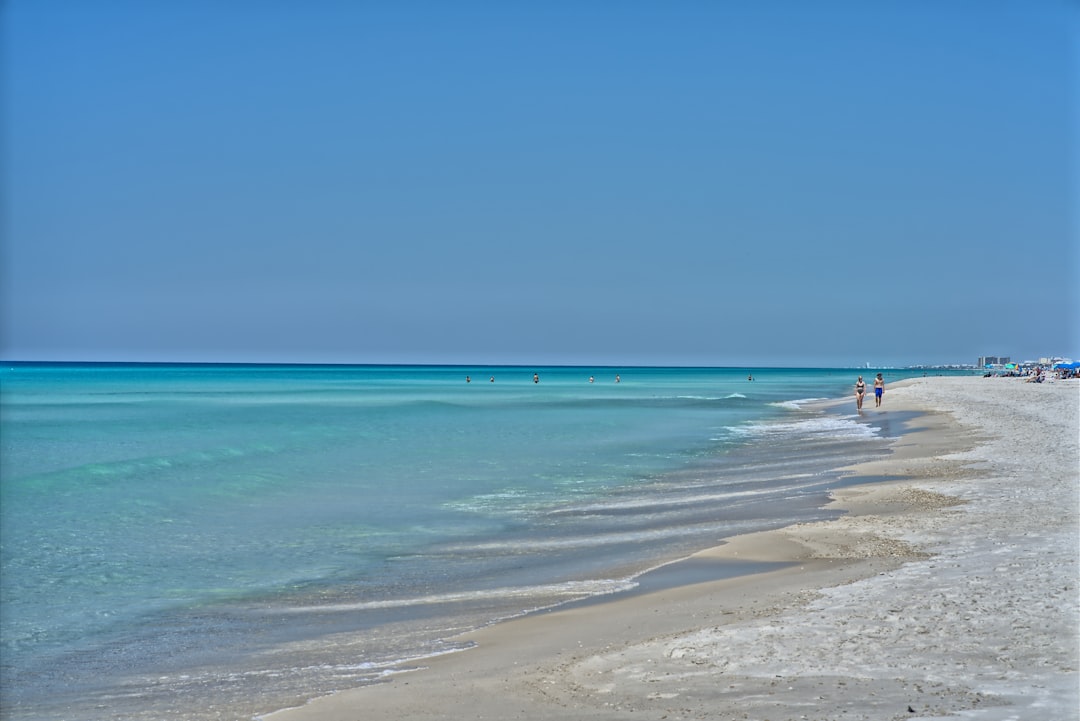 St. Andrews State Park — a must-visit near our Panama City Beach properties.