
The allure is undeniable. You’ve invested in a beautiful property, and the idea of keeping 100% of the booking revenue is tempting. Why pay a 20-30% commission to a property manager when you can just do it yourself? On the surface, the math of self-managing your short-term rental (STR) seems simple: cut out the middleman, pocket the difference.
But as seasoned investors know, the most significant expenses aren’t always the ones on the profit and loss statement. The true self managing str cost is often buried in late-night phone calls, missed revenue opportunities, and the priceless currency of your own time.
Before you dive into the deep end of DIY hosting, let’s pull back the curtain and calculate the real cost. It’s more than just a line item; it’s a complex equation of time, expertise, risk, and—ultimately—peace of mind. This is the honest conversation about STR management vs self managing that every property owner needs to have.
Table of Contents
- The First Invoice: Your Time is Your Most Valuable Asset
- Hidden Financial Drains: The “DIY Tax” You Don’t See Coming
- The High Stakes of Risk and Regulation
- The Guest Experience Gap: Why 5-Star Reviews Are Hard-Earned
- Doing the Math: When Professional Management Pays for Itself
- Conclusion: An Investment, Not an Expense
- Frequently Asked Questions
The First Invoice: Your Time is Your Most Valuable Asset
The most immediate and underestimated cost of self-management is your time. If you think you’ll just be answering a few emails a week, you’re in for a surprise. A successful STR is not a “set it and forget it” investment; it’s a full-fledged hospitality business, and you’re the CEO, front desk agent, marketing director, and maintenance coordinator all in one.
Let’s break down where the hours go:
The 24/7 Concierge and Troubleshooter
Guests don’t operate on a 9-to-5 schedule. Inquiries and issues can—and will—come in at all hours. * Pre-Booking: Answering dozens of questions about amenities, bed configurations, pet policies, and local attractions. * Pre-Arrival: Sending check-in instructions, door codes, and directions. * In-Stay: The 10 PM text: “The Wi-Fi isn’t working.” The 7 AM call: “How do you turn on the coffee maker?” The Saturday afternoon emergency: “The hot tub is making a weird noise.” * Post-Stay: Requesting reviews, managing feedback, and handling any damage claims.
The Master Logistics Coordinator
A smooth guest turnover is a complex ballet of scheduling that you are responsible for choreographing. * Cleaners: Finding reliable cleaners is hard enough. Now you have to schedule them within a tight 5-hour window (typically 11 AM to 4 PM), ensure they follow your detailed checklist, and have a backup plan when they inevitably call in sick on the busiest changeover day of the year. * Maintenance: Coordinating landscapers, pool/hot tub service, pest control, and handymen for routine upkeep and unexpected repairs. * Inventory Management: Constantly restocking toilet paper, coffee, soap, paper towels, and all the other small consumables that create a 5-star experience.
The Digital Marketing Guru
Getting your property seen by the right people is a job in itself. * Listing Optimization: Writing compelling descriptions, taking professional-quality photos, and keeping your listing updated across multiple platforms (Airbnb, Vrbo, etc.). * Dynamic Pricing: This is a huge one. To maximize revenue, you can’t just set one price for the year. You need to constantly adjust rates based on seasonality, local events, day of the week, booking lead time, and competitor pricing. This requires dedicated software and daily attention.
Let’s do some quick math. A conservative estimate for a single property is 5-10 hours of work per week. Let’s call it 8 hours. If you value your time at, say, $50/hour, that’s $400 per week, or $1,600 per month, in your own labor. Suddenly, that 20% vacation rental management fee doesn’t seem so steep, does it?
Hidden Financial Drains: The “DIY Tax” You Don’t See Coming
Beyond the time you invest, self-managing comes with a host of direct and indirect financial costs that chip away at your net profit.
The “Friend” Discount vs. Professional Vendor Networks
A professional manager has a roster of vetted, reliable, and often discounted vendors. When you self-manage, you’re on your own. * The Cost of Unreliability: That cheaper cleaner you found on Facebook might save you $50, but what happens when they do a poor job and you get a 3-star review citing “dirty floors”? That one bad review can cost you thousands in lost bookings. * Emergency Premiums: When the A/C breaks on a holiday weekend, a property manager can call their go-to HVAC company who will prioritize their business. You’ll be calling down a list on Google, paying a hefty emergency surcharge—if you can even find someone to come out.
The Technology Tax
To compete effectively, you need a suite of professional tools. The costs add up quickly. * Pricing Software: Tools like PriceLabs or Wheelhouse are essential for dynamic pricing. Cost: $20-50/month. * Channel Manager: To list on Airbnb and Vrbo without double-bookings, you need a channel manager. Cost: $50-150/month. * Guest Communication: Automating messages and instructions often requires a third-party platform. Cost: $20-40/month. * Smart Home Tech: Digital locks, noise monitors, and smart thermostats aren’t just for convenience; they’re essential for security and management. Cost: $500+ upfront.
A professional property manager’s fee often includes the cost of this entire tech stack, giving you the benefit without the individual subscriptions.
The Price is Wrong: Leaving Money on the Table
This is arguably the biggest hidden cost of all. Most self-managers are not pricing experts and consistently under-earn on their properties.
They either set their prices too low, leaving money on the table every night, or too high, leading to costly vacancies. Professional managers use sophisticated data and years of market experience to squeeze every last drop of potential revenue from your property.
Consider a football weekend in Gainesville. A DIY host might see the big game and raise their rates by 50%. A professional manager, however, analyzes real-time supply and demand data. They know that a property like our Cozy Townhome, just a short walk from the stadium at a location like 818 SW 7th St, can command a 200% premium with a 3-night minimum. That nuance alone could mean an extra $1,000+ in revenue for a single weekend.

This proactive, data-driven approach, applied over an entire year, can increase gross revenue by 15-25%—often completely covering the management fee.
The High Stakes of Risk and Regulation
Managing an STR isn’t just about hospitality; it’s about compliance. The legal and regulatory landscape is a minefield for the uninformed, and the consequences of a misstep can be severe.
Navigating the Maze of Local Laws
Every city, county, and state has its own set of rules for short-term rentals. These can include: * Licensing and Permits: Requiring business licenses, STR-specific permits, and inspections. * Zoning Restrictions: Dictating which neighborhoods allow STRs. * Occupancy and Safety Rules: Adherence to fire codes, smoke detector requirements, and occupancy limits. * Taxes: Collecting and remitting local and state lodging taxes, which are separate from what platforms like Airbnb might collect.
These regulations change constantly. A professional manager’s job is to stay on top of it, ensuring your property is always compliant. The fine for operating without the proper permit can easily run into the thousands of dollars.

The Insurance and Liability Gap
Your standard homeowner’s insurance policy is likely not sufficient for a short-term rental. Operating an STR is a commercial activity, and you need a commercial liability policy to be properly protected. If a guest slips, falls, and sues you, your homeowner’s policy could deny the claim, leaving you personally exposed. A good management company will require you to have the proper insurance and can often recommend providers who specialize in the industry.
The Guest Experience Gap: Why 5-Star Reviews Are Hard-Earned
In the world of STRs, reviews are everything. A portfolio of 5-star reviews leads to higher search rankings, more bookings, and the ability to charge premium rates. A few 4-star (or worse, 3-star) reviews can send your listing into a downward spiral.
The difference between a “good” stay and a “great” stay often comes down to the professional touch.
Consistency is King
A professional manager implements standardized systems to ensure every guest has a flawless experience. * Professional Linens: Linens are commercially laundered, pressed, and pristine—not just run through a home washer and dryer. * Hotel-Quality Cleaning: Professional cleaners follow a meticulous checklist, ensuring the property is reset to a “like-new” standard every single time. * Thoughtful Touches: Standardized welcome amenities, a local guide, and consistently stocked supplies create a reliable, high-quality experience that DIY hosts struggle to replicate.
Managing Complexity and Local Expertise
The more unique and amenity-rich your property, the greater the need for professional oversight. It’s one thing to manage a simple condo, but what about a property designed for large groups with multiple high-maintenance features?
Take our Epic Family Home, which boasts a private mini-golf course, a sauna, and a hot tub. Keeping all these incredible amenities in perfect, guest-ready condition requires a dedicated, local team with a network of specialized technicians. It’s simply not a job you can effectively manage from another city, or even from across town while working a full-time job.

Furthermore, professional managers are local experts. When a guest asks for the best sushi restaurant or a hidden hiking trail, they provide curated, insider recommendations. This level of service is what turns a good vacation into an unforgettable one, and what turns happy guests into glowing 5-star reviews.
Doing the Math: When Professional Management Pays for Itself
Let’s put it all together. The debate of STR management vs self managing ultimately comes down to a cost-benefit analysis.
| Feature | Self-Management Cost | Professional Management Cost |
|---|---|---|
| Time | 20+ hrs/month ($1000s in value) | $0 |
| Software Fees | $100 - $200 / month | Included in fee |
| Vendor Management | Time + Risk of unreliable vendors | Access to vetted, often discounted pros |
| Revenue Optimization | High risk of leaving money on the table | 15-25% potential revenue lift |
| Regulatory Compliance | High risk of fines and legal trouble | Expert management and peace of mind |
| Guest Experience | Inconsistent, dependent on your availability | Standardized, 5-star professional service |
| Financial Cost | Hidden costs + your time + lost revenue | A percentage of GROSS revenue (20-30%) |
When you factor in the potential 15-25% revenue increase from professional pricing, the savings from avoiding costly mistakes, and the immense value of your own reclaimed time, the management fee often becomes a net-zero cost—or even a net gain.
Conclusion: An Investment, Not an Expense
The question isn’t whether you can self-manage your short-term rental. The question is whether you should.
Choosing to self-manage isn’t a decision that saves you 25%; it’s a decision to take on a complex, demanding, part-time job with significant financial and legal risks. The real self managing str cost is the lost revenue from suboptimal pricing, the weekend and evening hours you’ll never get back, and the stress of knowing you are personally responsible for every single detail of a guest’s vacation.
Professional property management is an investment in your asset’s performance and your own quality of life. It’s about transforming a high-stress side hustle into a truly passive, high-performing investment.
At Springline Stays, we believe your vacation rental should be a rewarding investment, not a second job. Our guests enjoy impeccably maintained homes and 5-star service, which translates into glowing reviews, repeat bookings, and maximized revenue for our owners.
Experience the difference for yourself. Book a stay at one of our professionally managed properties and see the peace of mind that comes from knowing every detail is handled.
Frequently Asked Questions
What is a typical vacation rental management fee?
Most full-service vacation rental management companies charge a commission-based fee, typically ranging from 20% to 35% of the gross booking revenue. This fee usually covers all aspects of management, including marketing, guest communication, cleaning and maintenance coordination, and financial reporting.
Is it worth it to self-manage an STR?
Self-managing can be worth it for owners who have extensive free time, live very close to their property, have a background in hospitality or marketing, and are willing to treat it like a part-time job. For most investors seeking a more passive income stream, the time, stress, and risk of lost revenue often make professional management the more financially sound option.
What are the biggest hidden costs of self-managing a vacation rental?
The biggest hidden costs are the value of your own time (5-10+ hours per week), lost revenue due to non-dynamic pricing, subscription fees for essential software (pricing tools, channel managers), and the potential for costly mistakes like hiring unreliable vendors or failing to comply with local regulations.
How much time does it take to self-manage a short-term rental?
On average, expect to spend 20-40 hours per month self-managing a single short-term rental. This includes time spent on guest communication, marketing, coordinating cleanings, restocking supplies, and administrative tasks. This time commitment can increase significantly if you have a larger property or experience unexpected maintenance issues.
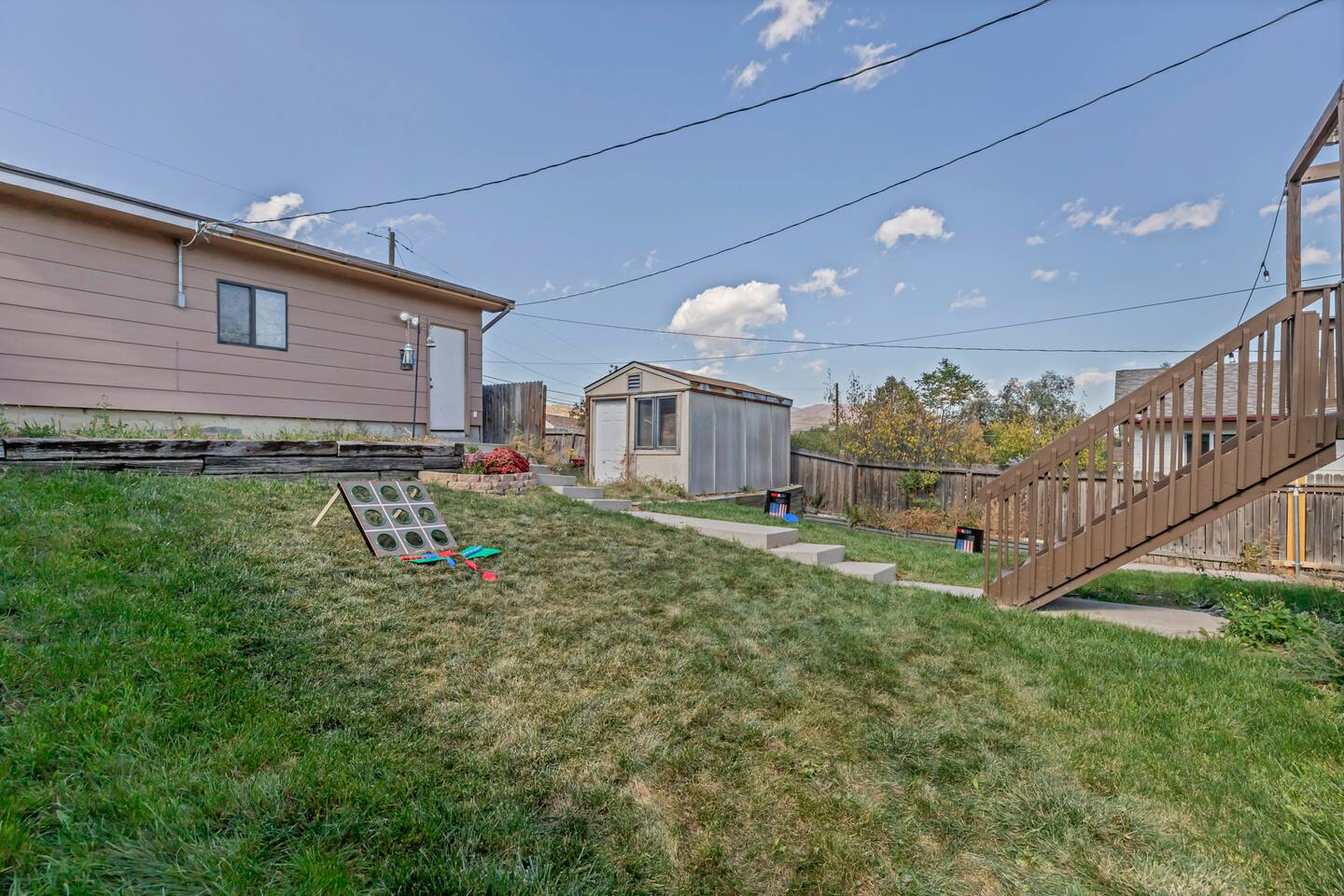 Views | 2 mins to OCC | Fire Pit | Games | Pets — Book your stay →
 Walk to University, Pet Friendly, Cozy Townhome — Book your stay →