
Summer. For short-term rental owners, the word conjures images of back-to-back bookings, cha-ching notifications, and a calendar so full it looks like a solid block of color. But the reality can be quite different. Increased competition, picky travelers, and the dreaded “surprise gap” in your calendar can quickly turn peak season into a period of peak stress.
Last summer, we faced the same market pressures as everyone else. But we didn’t just survive; we thrived. Across our diverse portfolio of properties, from beachfront condos to mountain retreats, we maintained an average short-term rental occupancy rate of over 90%.
How did we do it? It wasn’t luck. It was a data-driven, guest-focused, and meticulously executed strategy. This isn’t just theory; this is a playbook. In this STR management case study, we’re pulling back the curtain to show you the exact five pillars that supported our summer success. Whether you’re an aspiring host or a seasoned investor, these are the strategies that turn a good vacation rental into a great, income-generating asset.
Table of Contents
- Pillar 1: The Art and Science of Dynamic Pricing
- Pillar 2: Crafting Listings That Convert
- Pillar 3: Engineering the 5-Star Guest Experience
- Pillar 4: The Unseen Hero—Flawless Operations
- Pillar 5: Building a Brand Beyond the OTAs
- Frequently Asked Questions (FAQ)
Pillar 1: The Art and Science of Dynamic Pricing
Simply setting a high “summer rate” in May and hoping for the best is a surefire way to lose revenue. You’ll either be too expensive and sit empty or too cheap and leave money on the table. True dynamic pricing is an active, daily discipline.
Real-Time Market Analysis
Our team doesn’t just look at competitor pricing. We analyze a spectrum of data points: * Overall Market Occupancy: What percentage of similar rentals in the area are booked for a given date? * Pacing: Are we booking up faster or slower than the market average for future dates? * Search Demand: How many people are looking for stays on specific dates? * Local Event Calendars: Concerts, festivals, conferences, and sporting events are goldmines.
This data allows us to adjust rates—sometimes multiple times a day—to perfectly match supply and demand. We might lower a rate slightly to capture a last-minute booking for a Tuesday night, while significantly increasing it for a weekend when a major college football game is in town.
Capitalizing on Hyper-Local Events
Take our Gainesville properties, for example. Being home to the University of Florida means the calendar is packed. We don’t just have a “Football Season” rate for our Walk to UF Stadium townhome. We have specific rates for the UF vs. FSU game, a different rate for homecoming weekend, and another for graduation. We know that a guest looking for a place during a major rivalry game has a much different budget than someone visiting for a smaller event. By pricing for the specific event, we maximize rental income without deterring guests during slower periods.
Strategic Minimum Night Stays
A common mistake is enforcing a rigid 7-night minimum all summer. This creates awkward, unbookable 2-3 day gaps between longer stays. Our strategy is more fluid: * Far Out (90+ days): We might maintain a 5-7 night minimum to secure those lucrative week-long family vacations. * Mid-Range (30-90 days): We begin to lower the minimum to 4-5 nights to fill in the calendar. * Close In (Under 30 days): We actively manage “orphan days.” If we have a 3-night gap between two longer bookings, we’ll set the minimum stay to 3 nights (or even 2) for that specific window, often with a slightly premium nightly rate. This single tactic was responsible for filling dozens of nights that would have otherwise remained empty.
Pillar 2: Crafting Listings That Convert
Your online listing is your digital storefront. In a sea of options, you have about three seconds to capture a potential guest’s attention. Our approach is to treat every listing like a high-end marketing campaign.
The Power of Professional Photography
Your phone’s camera is great, but it’s not a substitute for a professional real estate photographer. Professional photos with proper lighting, wide-angle lenses, and expert composition don’t just show a space; they sell a dream. They highlight the best features and create an emotional connection before the guest even reads a word of your description.
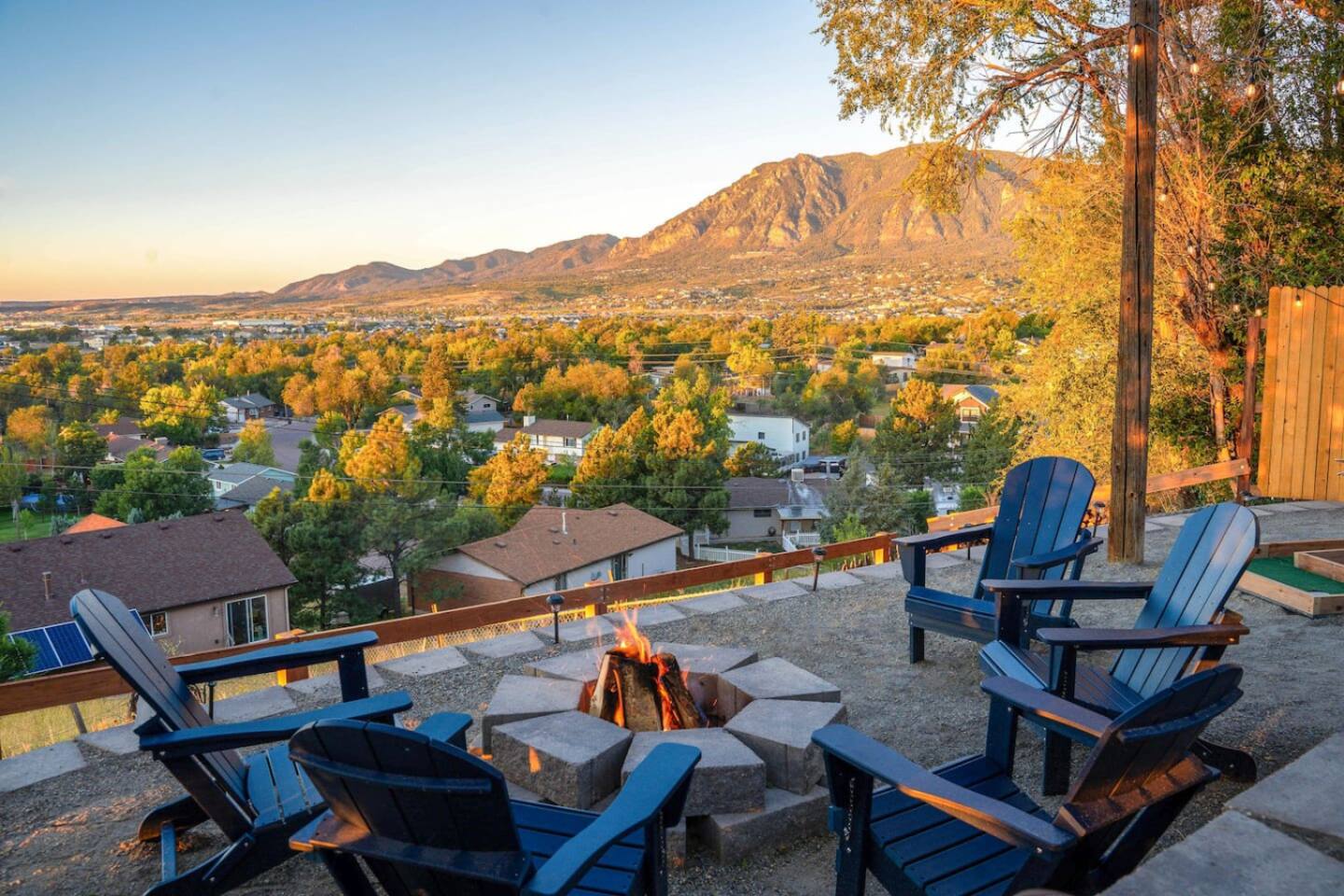
Take our Stunning Mountain Views, Hot Tub, Game Room property. The name itself promises an experience, and the photos deliver on that promise instantly. The lead image isn’t just of the house; it’s of the jaw-dropping view from the house, immediately justifying the premium experience.
SEO-Driven Titles and Descriptions
We craft titles that are not just catchy but also packed with keywords that guests are actually searching for. Instead of “Nice 3-Bedroom House,” we use descriptive, benefit-driven titles like: * Views | 2 mins to OCC | Fire Pit | Games | Pets * On the Beach | Ocean Views | Sleeps 6 * Epic Family Home: Mini-Golf, Sauna, Hot Tub, Games
These titles instantly tell the guest what they’re getting and include key amenities they might filter for. In the description, we don’t just list features; we paint a picture. We describe the experience of sipping coffee on the deck while watching the sunrise, gathering around the fire pit for s’mores, or the convenience of being a short walk from the main attractions.
Constant Optimization
A listing is a living document. We are constantly tweaking and testing: * Photo Order: Does a picture of the hot tub or the game room perform better as the second image? We test it. * Headline A/B Testing: We try different headline variations to see which one gets more clicks. * Updating for Seasonality: In the fall, we might highlight the fire pit or the cozy fireplace. In the summer, we’ll lead with the outdoor grill and proximity to hiking trails. This keeps the listing relevant and appealing year-round.
Pillar 3: Engineering the 5-Star Guest Experience
High occupancy is a direct result of stellar reviews. A constant stream of 5-star reviews creates a snowball effect, pushing your listing higher in search results and building the social proof needed to command premium rates. Our philosophy is to proactively design an experience that wows guests from start to finish.
Communication is Key
Our communication isn’t just automated; it’s strategic. * Booking Confirmation: An immediate, warm message confirming the booking and thanking the guest. * Pre-Arrival: A message a week out with a link to our digital guidebook, and another message 24 hours before check-in with the door code and final instructions. * First-Day Check-in: A brief message a few hours after their scheduled arrival: “Just wanted to make sure you got in okay and everything is to your satisfaction!” This one simple step nips 99% of potential issues in the bud. * Mid-Stay (for longer stays): A quick check-in to see if they need anything like trash pickup or fresh towels. * Checkout: Clear, simple checkout instructions sent the night before departure.
This level of communication makes guests feel cared for and supported, which is a frequent highlight in our reviews.

Hyper-Local, Personalized Touches
Anyone can Google “best restaurants near me.” We provide a curated, digital guidebook with our personal favorites—the hidden gems, the best spot for craft cocktails, our favorite family-friendly hike, and the closest grocery store. For a guest staying at our Spacious Retreat Near UF & Shands at 4403 SW 21st Pl, we might recommend the best place for a pre-game bite or a quiet coffee shop near the hospital.
The “Wow” Factor Amenities
In a competitive market, you need to be memorable. We encourage owners to invest in amenities that create an experience. It’s not just about having a bed; it’s about creating a destination. Our Epic Family Home is the perfect example of this philosophy. Guests don’t just book it for a place to sleep; they book it for the private mini-golf course, the sauna, the hot tub, and the fully-stocked game room. These features make the property a headline attraction, not just accommodation.
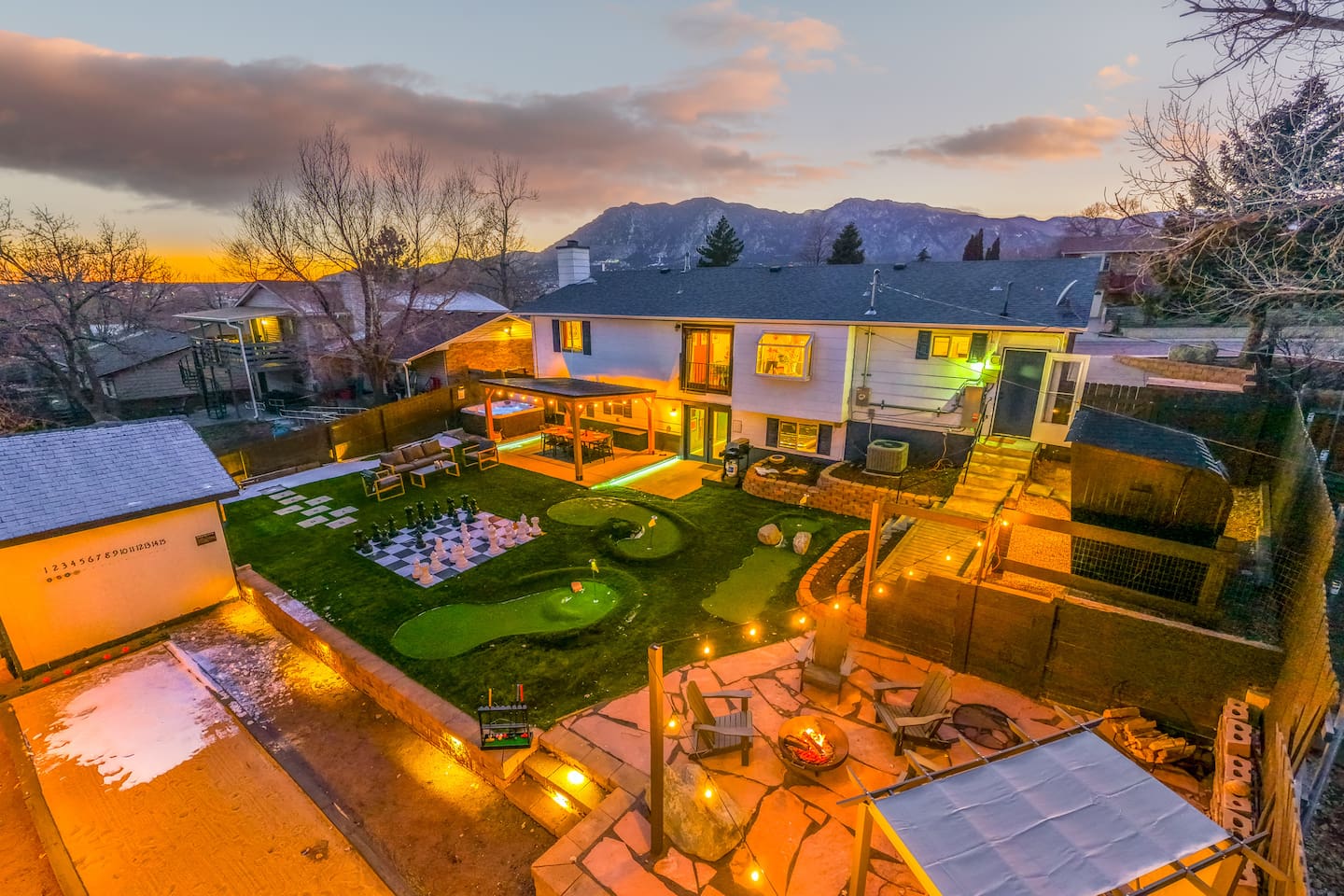
These unique amenities generate “shareable” moments. When guests are posting photos from your mini-golf course on Instagram, you’re getting powerful, free marketing that drives future bookings.
Pillar 4: The Unseen Hero—Flawless Operations
All the marketing and communication in the world can’t save you from a bad review due to a dirty bathroom or a broken A/C unit. The backbone of our 90% occupancy rate is an invisible, yet absolutely critical, system of operational excellence.
A 5-Star Clean, Every Single Time
We don’t just hire cleaners; we partner with professional, vetted cleaning teams who are trained specifically for the demands of short-term rentals. They follow an exhaustive checklist that covers everything from disinfecting high-touch surfaces to staging the pillows perfectly. Our property managers then conduct a post-clean inspection before every single check-in to ensure the home is 100% guest-ready. This quality control step is non-negotiable.
Proactive and Preventative Maintenance
The worst time to discover a problem is when a guest calls you at 10 PM. We run a proactive maintenance schedule. * HVAC systems are serviced twice a year. * Batteries in smoke detectors and remote controls are changed on a schedule. * We regularly inspect properties for small issues (a loose doorknob, a dripping faucet) before they become big problems.
When issues do arise, we have a network of on-call, reliable vendors who can respond quickly to resolve the problem with minimal disruption to the guest’s stay.
Pillar 5: Building a Brand Beyond the OTAs
Relying solely on Airbnb and Vrbo puts you at the mercy of their algorithms and fees. A key component of our strategy is building the Springline Stays brand to encourage direct bookings and cultivate a loyal base of repeat guests.
The Value of a Direct Booking Website
Our website, SpringlineStays.com, is more than just a listing platform. It’s the hub of our brand. By driving traffic to our own site, we: * Save on Fees: Both we and our guests save money by avoiding hefty OTA service fees. * Own the Relationship: We capture guest information (with their permission) and can communicate with them directly for future marketing. * Control the Narrative: We aren’t limited by an OTA’s template. We can fully showcase our properties and our brand’s commitment to quality.
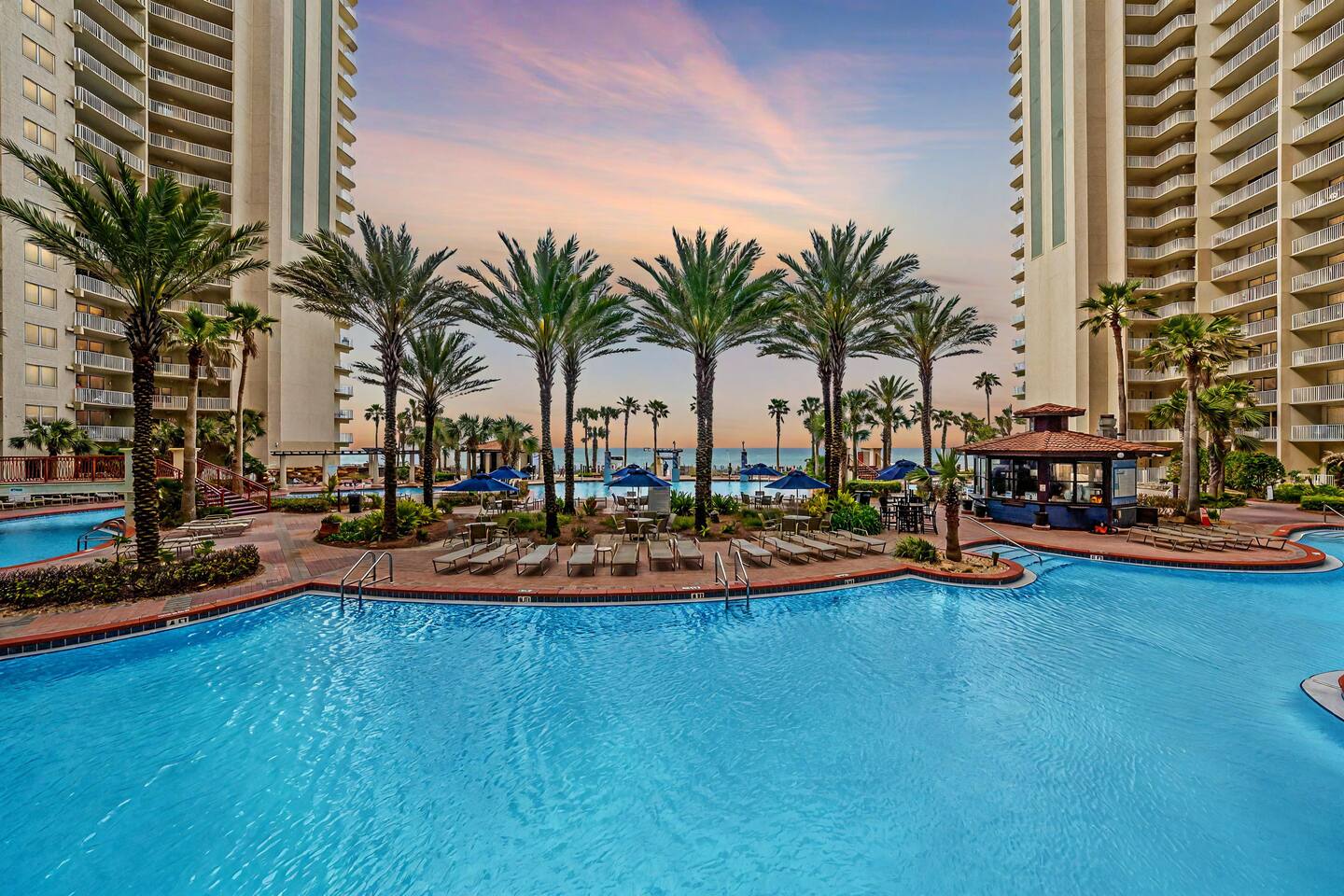
For example, a guest who loved their summer trip to our On the Beach | Ocean Views condo might receive an email in the fall about a special offer for an off-season long weekend. This is a powerful way to fill the calendar during shoulder seasons.
Cultivating Repeat Guests
A repeat guest is the most profitable guest you can have. They cost nothing to acquire and are already familiar with your property and standards. By providing an exceptional experience and maintaining a line of communication through email marketing, we’ve built a significant list of past guests who now look to book with us directly for their annual trips.
Conclusion: Occupancy is a System, Not an Accident
Achieving a 90% occupancy rate during the hyper-competitive summer season wasn’t the result of a single silver bullet. It was the combined, compounding effect of these five pillars working in concert.
It’s about pricing with surgical precision, marketing with a storyteller’s flair, serving guests with a five-star hotelier’s mindset, and running operations with military-grade efficiency. This is the difference professional management makes. It transforms a property from a passive asset into a high-performing business.
Frequently Asked Questions (FAQ)
What is a good occupancy rate for a short-term rental? A good occupancy rate can vary greatly by market and season, but a common industry benchmark for a successful property is between 70-80% annually. Achieving over 90% in a peak season, as in our case study, is considered exceptional and indicates a highly optimized strategy.
How do you calculate STR occupancy rate? The formula is simple: (Number of Nights Booked) / (Number of Nights Available) x 100. For example, if your property was available for all 30 days in June and was booked for 27 of them, your occupancy rate would be (27 / 30) * 100 = 90%.
Does dynamic pricing really increase rental income? Absolutely. By adjusting rates based on real-time demand, events, and lead time, dynamic pricing ensures you’re not leaving money on the table. It allows you to capture the maximum possible rate on high-demand nights while remaining competitive to fill gaps on slower nights, ultimately leading to a significant increase in overall revenue.
What is the biggest mistake self-managing hosts make? One of the most common mistakes is “set it and forget it” pricing and a reactive approach to problems. Self-managing hosts often lack the time or tools to constantly adjust pricing, leading to lost revenue. They also tend to react to maintenance issues after a guest complains, rather than implementing a preventative maintenance schedule to avoid issues in the first place.
How can I improve my vacation rental’s visibility? Start with professional photography—it’s the single most important factor. Then, write an SEO-optimized title that includes key amenities and a benefit-driven description. Actively solicit 5-star reviews by providing an amazing guest experience, as a higher rating and more reviews will push you up in the search rankings on platforms like Airbnb and Vrbo.
Experience the Springline Difference
Reading about a 5-star experience is one thing. Living it is another. The same meticulous care, attention to detail, and commitment to quality that drove our 90% occupancy rate is infused into every single guest stay.
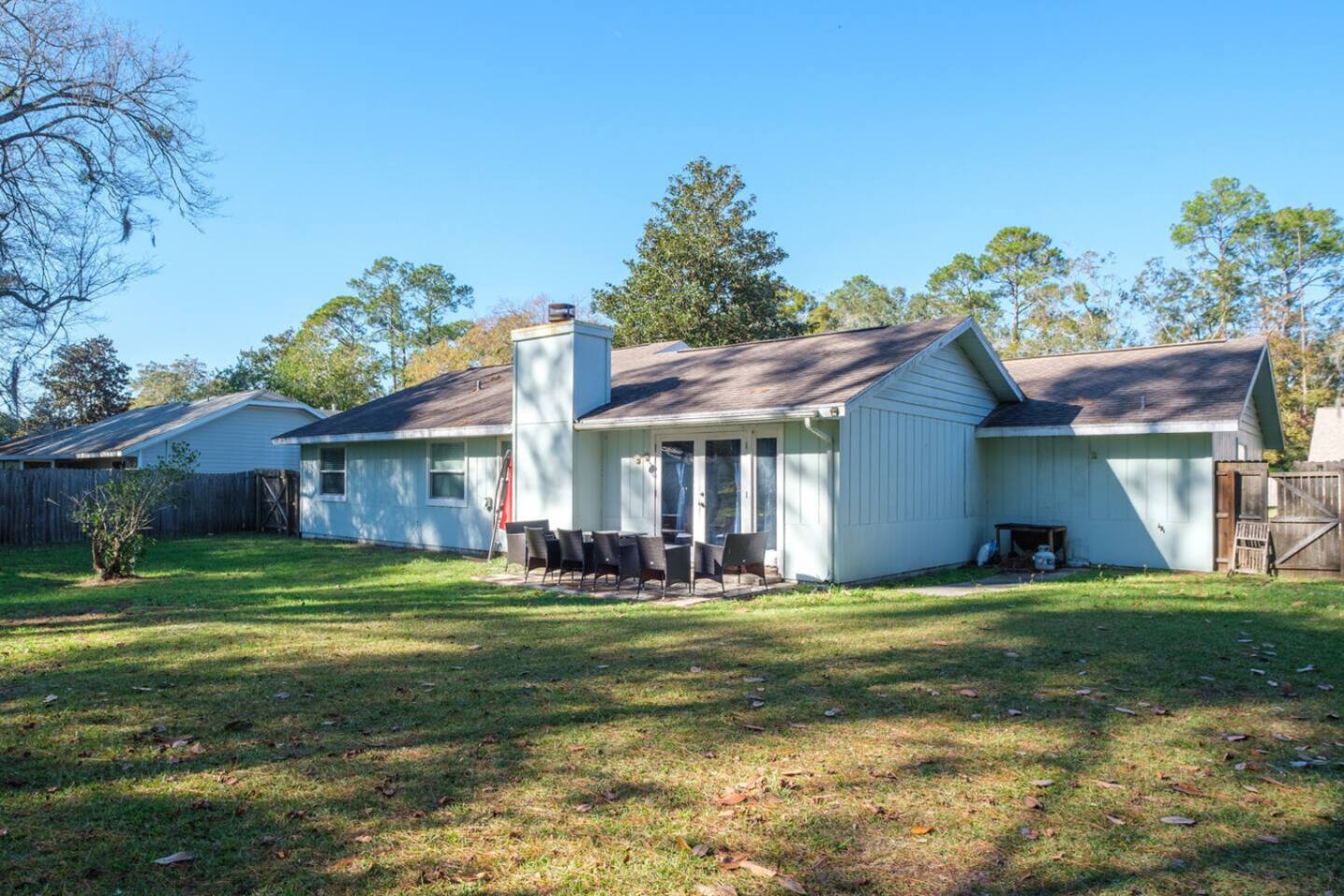 Spacious Retreat Near UF & Shands — Book your stay →
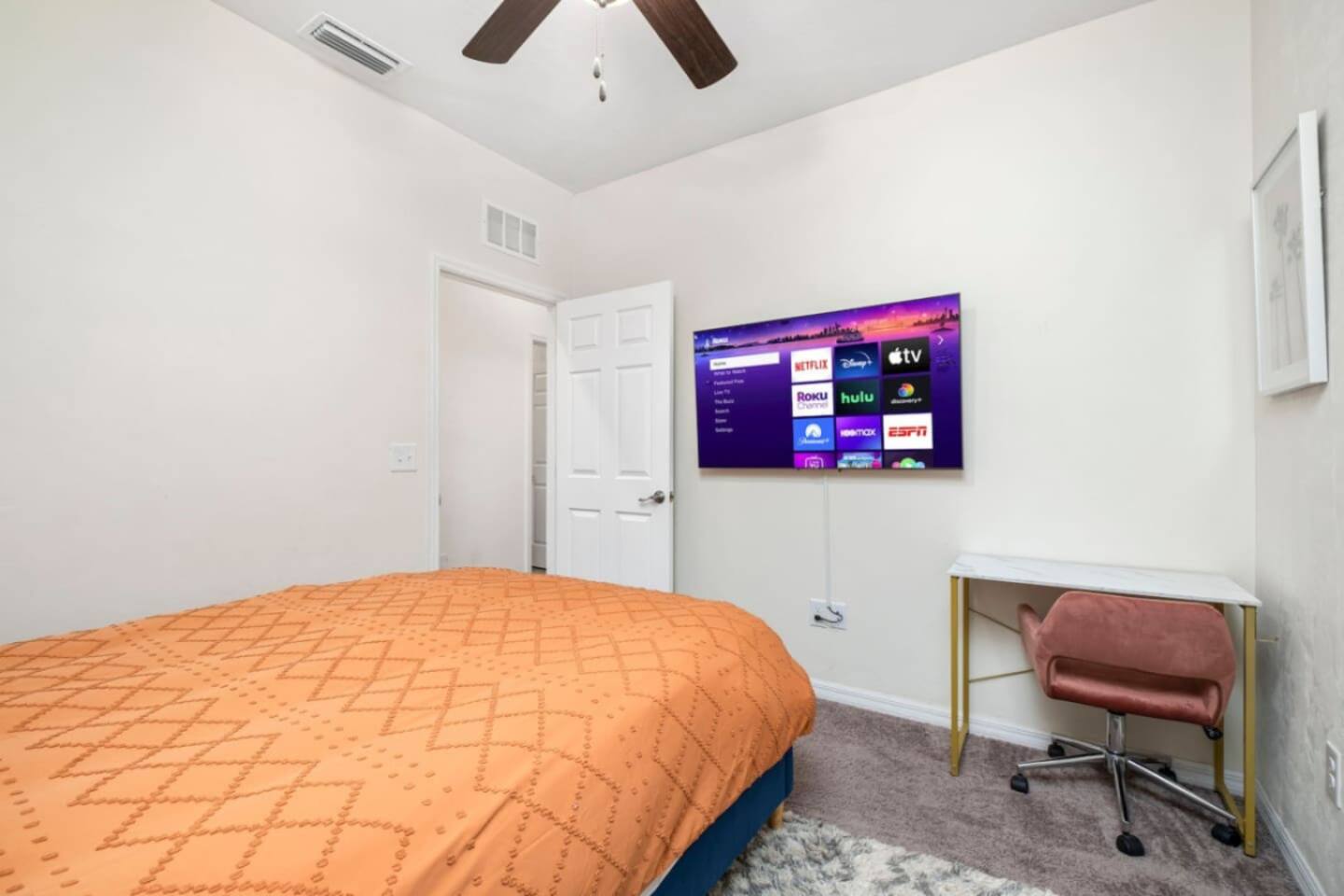 Walk to UF Stadium, No Cleanup, Cozy Townhome — Book your stay →